In this article
- What is harapash? Southern Albanian cornmeal porridge
- Ingredients for this harapash recipe with liver
- How to make harapash with lamb liver
- Harapash and polenta texture: fixing lumps, grit and stiffness
- A meatless harapash adaptation
- What to serve with harapash and how to store leftovers
- Frequently asked questions
What is harapash? Southern Albanian cornmeal porridge
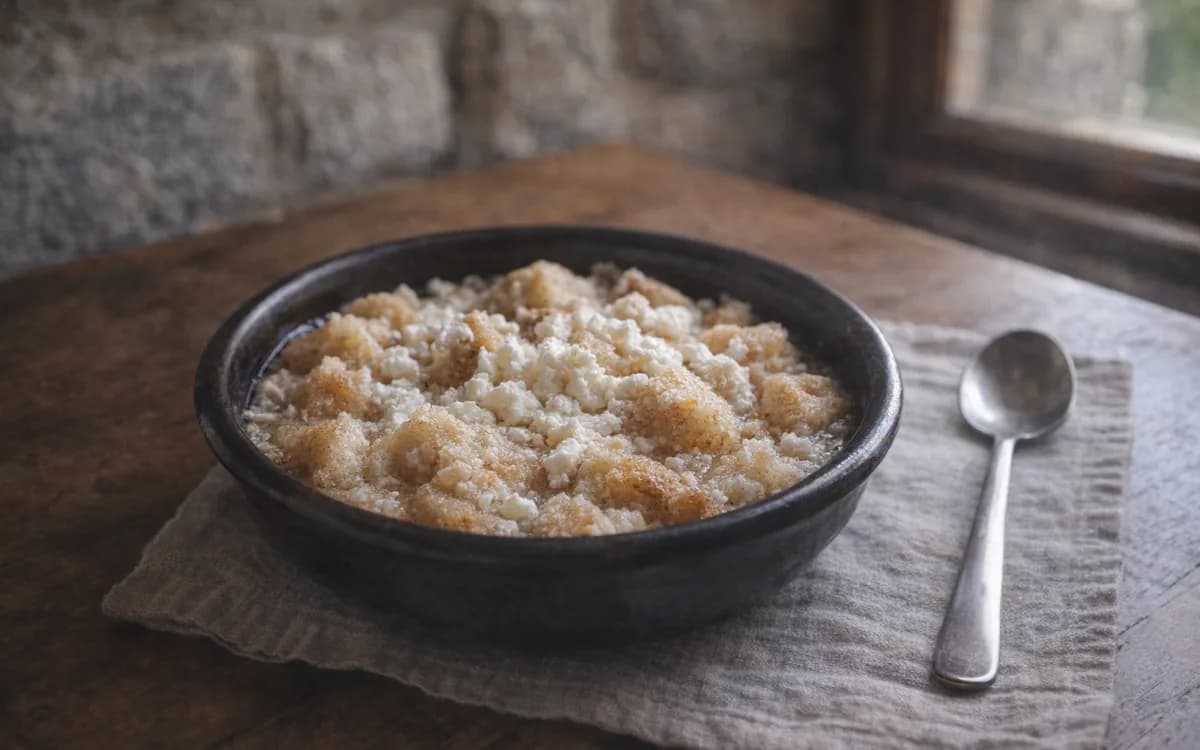
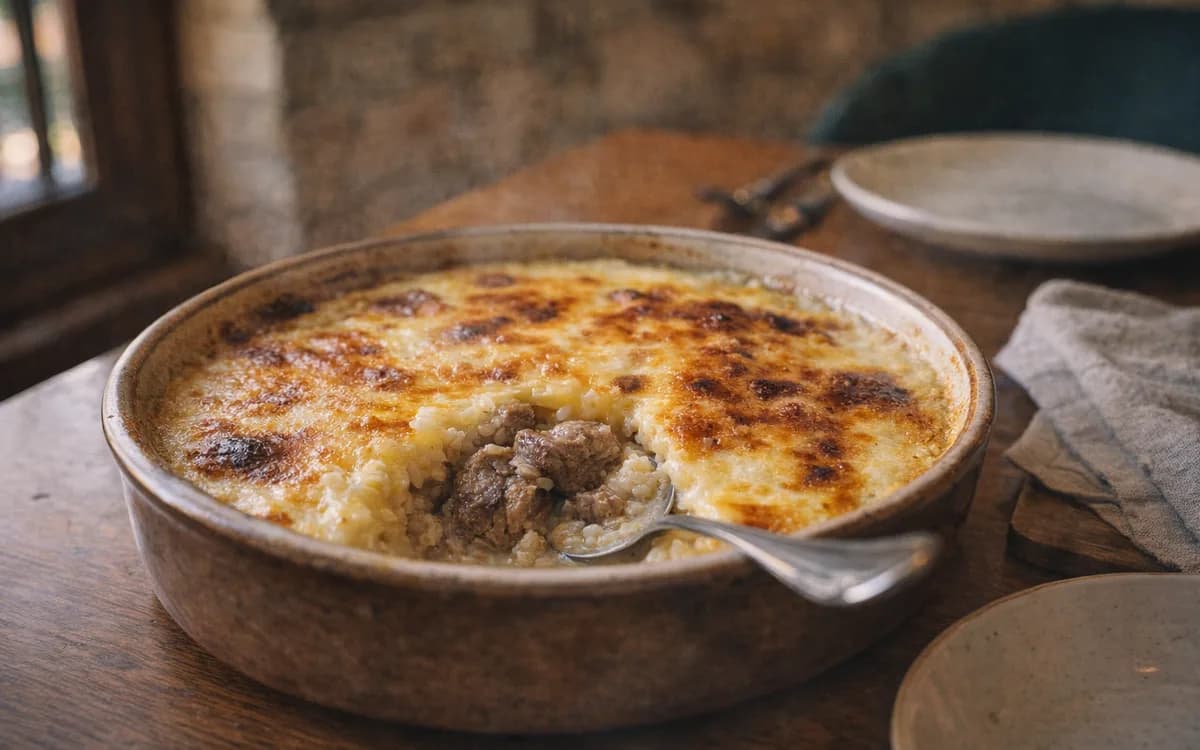
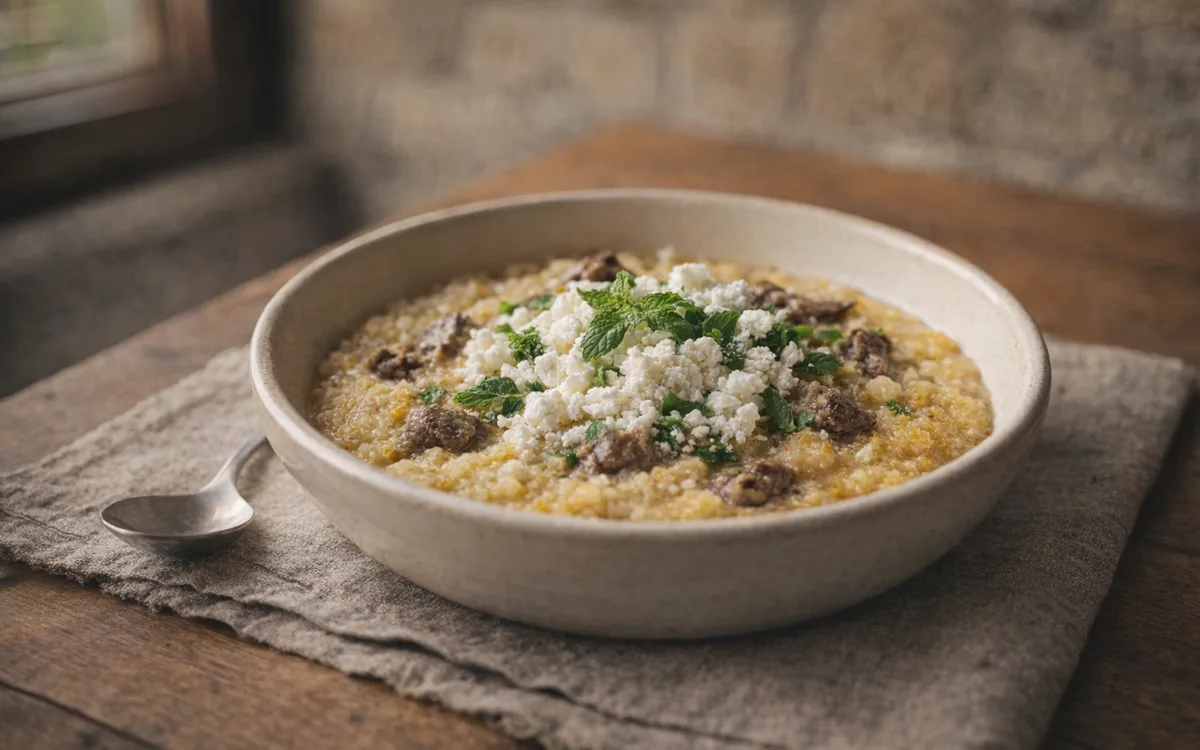
This harapash recipe combines soft cornmeal, small pieces of lamb liver, crumbled white cheese and mint. Rich, salty and best eaten hot, harapash (a savory cornmeal preparation) is associated with southern Albania, particularly Labëria. Southern versions can include lamb or kid offal; this one uses liver alone, cooked separately so you can control its doneness.
We know Albania’s food changes as you travel. Harapash belongs in a conversation about southern Albanian food, not among claims about specialties of our own Mat region. Nor is there one formula that speaks for every southern household: the offal, proportions and consistency vary.
Here, we aim for tender grains in a thick mixture that falls from a spoon. The liver brings a pronounced mineral flavor, the cheese adds salt and tang, and mint lightens each mouthful. It is a substantial cold-weather meal.
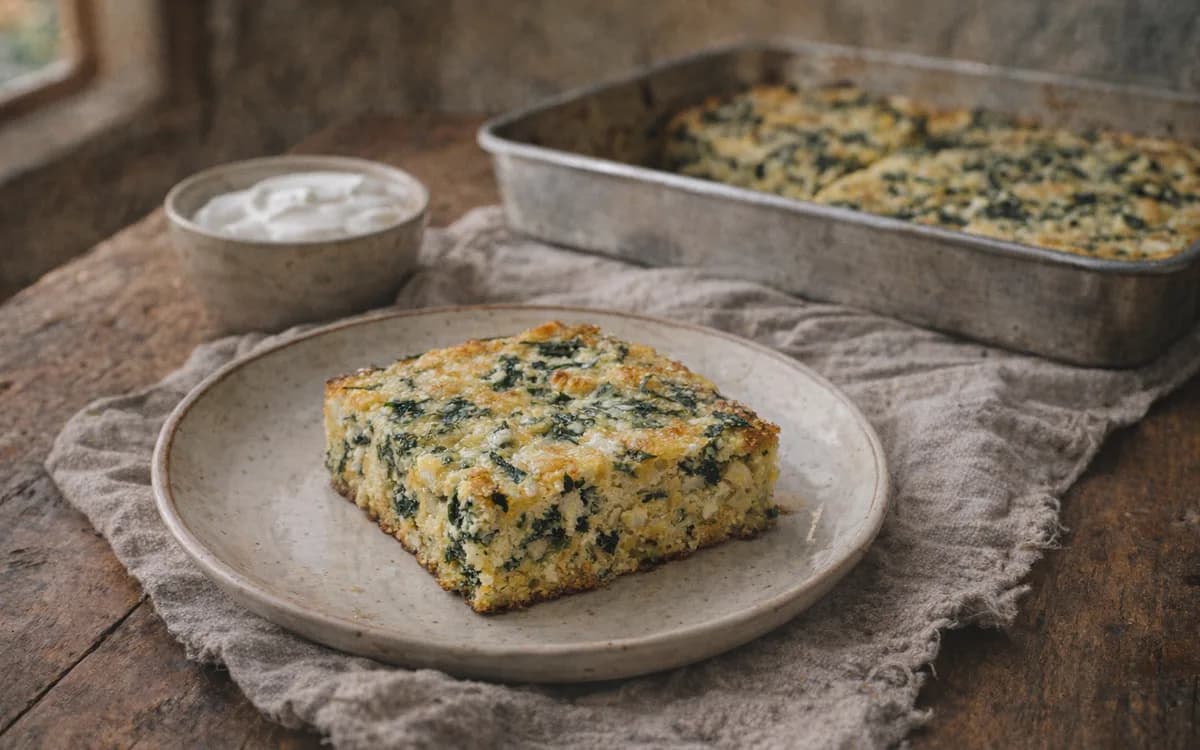
Unlike pispili, baked Albanian cornbread with greens, harapash stays on the hob. There is no crust to wait for and no neat slice to cut. Serve it while it still settles softly onto the plate.
Ingredients for this harapash recipe with liver
Serves: 4 substantial portions
Preparation: about 15 minutes
Cooking: about 35–50 minutes, depending on the cornmeal
You will need a heavy saucepan, a separate frying pan, a whisk, a wooden spoon and a food thermometer. The liver cooks while the cornmeal finishes, rather than adding a separate cooking stage afterwards.
- 250 g medium-ground cornmeal or non-instant polenta
- 1.25 litres water or lightly salted stock
- 250–500 ml additional hot water, reserved for adjustments; you may not need it all
- 300 g lamb liver, weighed after trimming
- 50 g butter, divided into 20 g for the cornmeal, 20 g for the liver and 10 g to finish
- 120 g brined white cheese, crumbled, with 90 g for stirring in and 30 g for serving
- 1 tablespoon chopped fresh mint
- Black pepper, to taste
- Salt, to taste, added after the cheese
Choose medium-ground cornmeal, not cornflour
Ordinary medium-ground maize meal gives a little texture without demanding the longer cooking of a coarse grind. Non-instant polenta is also suitable. Fine meal becomes smoother and usually cooks faster; coarse meal takes longer and often needs more water.
In the UK, cornflour usually means maize starch. That will not work here. Instant polenta is a possible shortcut, but use its packet’s liquid guidance and cooking time rather than the method’s estimates.
The starting quantity is 250 g cornmeal to 1.25 litres liquid. Keep the extra water hot so additions do not interrupt the simmer.
Choose lamb liver and a crumbly white cheese
Buy fresh liver from a reputable butcher. Remove tough membranes and ducts, then cut it into even pieces about 2 cm across.
Use Albanian brined white cheese if available, or feta. Gjizë (a fresh curd cheese) is different from feta; our Albanian cheese guide explains the distinctions. Both stock and brined cheese contribute salt, so leave the final seasoning until the cheese is incorporated.
How to make harapash with lamb liver
The separate frying pan is a practical choice for this recipe, not a rule for every traditional preparation. It lets the cornmeal take its time without keeping the liver over the heat for the same long stretch.
Whisk in the cornmeal and cook until tender
-
Prepare the ingredients and workspace. Crumble the cheese and chop the mint before handling the liver. Trim and cut the liver into roughly 2 cm pieces, pat dry with kitchen paper, and keep refrigerated until needed. Wash your hands, knife and board after handling raw liver; keep it away from ready-to-eat ingredients. Do not rinse it.
-
Start the cornmeal. Bring 1.25 litres water or lightly salted stock to a gentle simmer in the heavy saucepan. Add the 250 g cornmeal in a slow, steady stream while whisking continuously. Reduce the heat to low once the mixture thickens, then stir in 20 g butter. Take care: thick cornmeal can spit as it bubbles.
-
Cook gently until the grains soften. Switch to a wooden spoon and stir regularly, reaching the base and corners. Allow roughly 30–45 minutes for ordinary medium-ground meal, but follow the product’s guidance and taste for tenderness. If it becomes stiff before the grains soften, stir in reserved hot water about 50 ml at a time. The endpoint is thick and spoonable, with no raw, gritty bite. Keep the heat low enough that the bottom does not catch while the grains cook.
Cook the liver near the end
-
Fry the liver when the cornmeal is almost tender. Melt 20 g butter in the separate frying pan over medium heat. Add the liver without crowding; work in batches if necessary, dividing that butter between them. Turn the pieces so they cook evenly. Start checking after about 5 minutes, allowing longer as needed: a food thermometer must register 75°C at the centre of the thickest pieces. Insert the probe sideways where helpful. Browning alone does not establish safe doneness.
-
Combine promptly. Once the cornmeal is tender and the liver has reached 75°C, fold the liver and its pan juices into the saucepan. Do not leave the liver simmering through a further long cooking period. If the cornmeal needs more time, finish softening it before combining the two.
Finish with cheese, butter and mint
-
Add the finishing ingredients. Over very low heat, fold in the remaining 10 g butter and 90 g crumbled cheese. Add the tablespoon of chopped mint and black pepper to taste. Stir until the butter melts and the cheese is distributed, then taste before adding any salt.
-
Adjust and serve. If necessary, loosen with reserved hot water, a small splash at a time. Spoon into shallow bowls or onto plates and finish with the remaining 30 g cheese. Serve promptly: the harapash should form a soft mound that settles, rather than a firm slab for slicing.
Harapash and polenta texture: fixing lumps, grit and stiffness
If you know polenta, you will recognize much of the stirring and thickening. The cornmeal base is similar, but the liver, cheese and mint give this Albanian preparation its own character. Use tenderness, not a rigid timer, as your main cooking cue.
- Lumps: Pour the meal slowly into gently simmering liquid while whisking. If small lumps form early, work them apart with the whisk before adding liver or cheese. Once those additions go in, vigorous whisking is less useful.
- Gritty grains: Add a little hot water and continue cooking gently. Taste again after several minutes. Extra butter may make the mixture richer, but it cannot cook an underdone grain.
- Too stiff: Stir in hot water a splash at a time until the spoon moves easily. Harapash thickens further as it cools, so allow for the journey from saucepan to table.
- Too loose: Cook uncovered over low heat, stirring, until excess moisture evaporates. Do not scatter raw cornmeal into the finished mixture; it will need its own cooking time and may clump.
- Scorched bottom: Transfer the unburnt portion to a clean pan without scraping the base. Stirring burnt material through spreads its bitterness.
- Tough liver: Prolonged cooking makes liver firmer. There is no reliable way to reverse that texture; next time, cook it close to serving and combine only once the cornmeal is tender.
A meatless harapash adaptation
For a meatless adaptation, omit the liver and choose water or vegetable stock. Keep the cornmeal, white cheese and mint quantities unchanged. Use 20 g of the butter in the cornmeal and the remaining 30 g at the finish, since there is no liver pan to butter.
The result will be milder. Liver gives the main recipe a mineral, savory character that cheese alone does not reproduce, though the salty cheese and fresh mint still make a satisfying bowl.
Browned mushrooms are an optional modern addition. Cook them separately until their released moisture has evaporated, then fold them into the tender cornmeal. They add browned flavor and a different bite, not an exact replacement for offal or a claim to a particular regional formula.
For a vegetarian meal, use vegetable stock and check that the cheese is made with vegetarian rennet. Replacing the butter and cheese too would create a further dairy-free adaptation, with another change in flavor and richness. We would keep that distinction clear rather than promise the same dish without its defining ingredients.
What to serve with harapash and how to store leftovers
Bring harapash to the table hot, in shallow bowls or on plates. A small serving of pickled vegetables, a crisp dressed salad or plain yogurt provides contrast to the rich cornmeal and liver. Keep the accompaniments simple. There is already plenty happening in each spoonful.
Fresh harapash is softer than refrigerated leftovers. If you expect to have some left, put that portion into shallow containers promptly rather than leaving a deep saucepan on the hob to cool. Refrigerate within two hours and use within 48 hours, a conservative home-cooking guideline.
Reheat only once, adding a splash of water and stirring until steaming hot throughout. Work gently around the pieces of liver, and add more water in small amounts if the cornmeal remains too firm. Reheated liver will be firmer than it was at the first serving; loosening the porridge cannot undo that change.
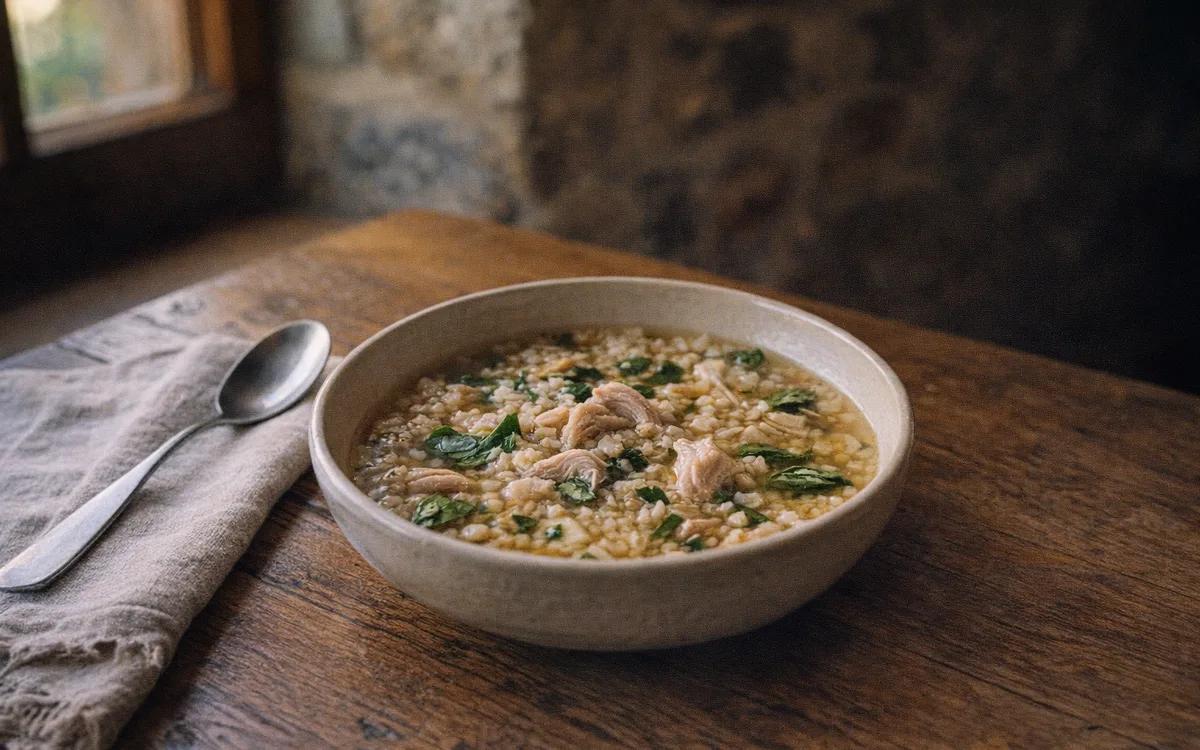
At our kitchen, the menu takes a different route through Albanian cooking: Pule fshati me jufka (village chicken with jufka noodles), Tavë dheu (a traditional clay-pot dish) and Byrek Bujtine (our house-style byrek). Harapash is not listed on our menu. We share it here because tasting Albania also means recognizing the dishes of regions beyond our own, whether you cook them at home or encounter them further south.
Frequently asked questions
Is harapash the same as polenta?
Both use cooked cornmeal, but harapash is an Albanian preparation whose southern versions include offal, butter, white cheese and mint. A shared base does not make them identical dishes.
Which cornmeal is best for harapash?
Medium-ground cornmeal or non-instant polenta suits this recipe. Fine meal cooks faster, while coarse meal needs longer and usually more liquid; cornflour sold as maize starch is not a substitute.
Can harapash be made without liver?
Yes, as a meatless adaptation: retain the cornmeal, butter, cheese and mint, using water or vegetable stock. Browned mushrooms are an optional modern addition, not an exact replacement for liver.
What cheese can replace Albanian white cheese in harapash?
Feta is a practical substitute for brined Albanian white cheese. Its saltiness varies, so taste and season the porridge after adding it.
Is harapash a specialty of Mat?
Harapash is associated with southern Albania, particularly Labëria. We would not present this liver-focused version as a specialty of our Mat region.
Planning a visit to Klos and curious about the food at our table? Get in touch — we’ll tell you what we’re cooking during your stay.