In this article
- What is paçe Albania, and why do travelers talk about it?
- Why paçe belongs to Albanian winter soup mornings
- What paçe soup tastes like: broth, garlic, vinegar, and courage
- Paçe koke and other traditional Albanian soup names to know
- How to order Albanian offal soup respectfully as a guest
- Where paçe fits at a Klos table
- Frequently asked questions
What is paçe Albania, and why do travelers talk about it?
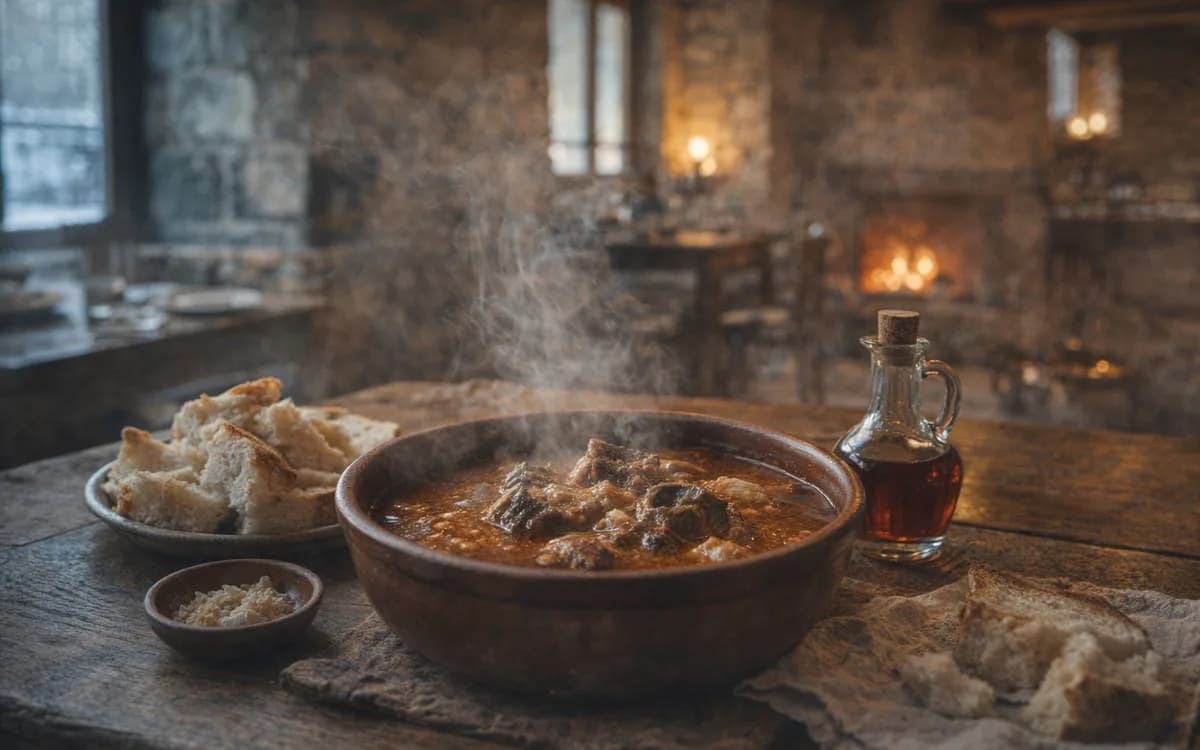
Paçe Albania is not a dish that tries to soften its name or hide its bones. This traditional Albanian soup is made from slow-cooked animal head, feet, bones, or other offal, depending on the cook, the town, and what the butcher has that day. Travelers may see it written as paçe, paçe soup, or paçe koke, which means head soup.
For some visitors, paçe becomes the dish they remember because it asks for honesty from the first spoonful. No polished plate arranged only for a photograph. This is practical food, born from nose-to-tail cooking and from the belief that flavor lives in the parts that need time, heat, and respect.
Albania shares this kind of cooking with wider Balkan and Ottoman-influenced food traditions, but the Albanian table gives paçe its own rhythm. People usually eat it hot, often early, and often with garlic and vinegar close by. The soup belongs to people who work, drive, carry, build, and start cold days before the sun has warmed the road.
A soup built from patience, not shortcuts
Good paçe depends on a long simmer. Bones, head meat, feet, and connective tissue need time to release collagen into the broth. That is why the texture can feel richer than a clear chicken soup or vegetable soup. The liquid may cling slightly to the lips. The meat is soft. The aroma is deep and savory.
That texture is not a mistake. It is the point of the bowl. Paçe comes from the same kitchen logic that values slow dishes, bread for the broth, and a table where nothing useful is wasted.
Why paçe belongs to Albanian winter soup mornings
Paçe makes the most sense when the air is cold. In summer, a heavy bowl of offal broth can feel like too much. In autumn and winter, it becomes useful: hot, salty, filling, and strong enough to carry a person through the first half of the day.
In many places, paçe is breakfast or early lunch rather than dinner. That can surprise travelers who are used to lighter morning food. But in Albania, especially in mountain regions and working towns, breakfast is not always sweet or soft. It can be soup. It can be bread torn by hand. It can be something that warms the stomach before the road begins.
Here in Klos, mornings have their own silence before the day gathers speed. Our guesthouse is in Fshat, on Rruga e Arbërit in Dibër County, where cold air sits low in the Mat Valley and food has always had to answer the weather. Paçe Albania fits that kind of morning. Not delicate. Ready.
A bowl before the day begins
Travelers sometimes ask why anyone would eat something so rich early in the day. The answer is simple: because the day may be long, cold, and physical. A bowl of paçe is not a snack. It is strength food.
Availability also changes. A proper kitchen does not make paçe from a packet or a shortcut. It appears when the right ingredients are there and when there is enough time to simmer them properly. If you see it on a cold morning, that timing is part of the taste.
What paçe soup tastes like: broth, garlic, vinegar, and courage
Paçe soup tastes like deep bone broth first. Then come the softer notes: slow-cooked meat, fat, warmth, and the gelatinous body that comes from collagen-rich parts. The smell is savory and direct. It may be strong for someone expecting a clear soup, but it is not meant to be harsh. It is meant to be full.
If you searched for paçe Albania because you want the boldest traditional bowl, prepare for a taste that is rich before it is pretty. The first spoonful can divide the table. Some travelers understand it immediately and keep going. Others pause, add vinegar, stir in garlic, take bread, and only then begin to understand the balance. That is normal. Paçe asks you to meet it halfway.
Garlic and vinegar are not decoration. They are the keys that open the bowl. Vinegar cuts through the richness, sharpens the broth, and keeps the fat from feeling heavy. Garlic brings heat and bite without turning the soup into something else. Together, they make the dish clearer.
You may also see black pepper, chili, lemon, or bread served with it, depending on the place. There is no single universal recipe that covers every Albanian town and every family kitchen. One cook may serve a clearer broth. Another may serve a thicker bowl with more gelatin and softer pieces of meat.
Why vinegar changes the whole bowl
If this is your first time, taste the broth before adding anything. Then add vinegar slowly. Too much acid at once can flatten the flavor. A little can make the soup wake up.
Garlic-vinegar helps cautious first-timers because it balances the richness without hiding what paçe is. That matters. If you want to try paçe, try paçe. Do not bury it under so much chili or lemon that the dish disappears.
The texture question
The texture is the part many visitors need to prepare for. Paçe can be soft, slippery, and gelatinous. Pieces of meat may not have the firm chew of grilled lamb or beef steak. The broth may feel thicker than what you expect from a soup.
This comes from the parts used. Head, feet, bones, and connective tissue give body to the liquid. In a good bowl, that body is intentional. Eat it hot, use bread, and begin with the broth if the texture feels unfamiliar.
Paçe koke and other traditional Albanian soup names to know
Paçe koke means head soup. Koke means head, so the name is plain and direct. Depending on the region and supplier, the head may be from sheep, lamb, goat, or calf. The exact animal is worth asking about, especially if you have preferences or restrictions.
There are other names and versions too. Some bowls may include feet or other offal. Some may be more broth-forward, while others feel almost like a meal held together by collagen. That variation is not confusion. It is local cooking.
When travelers look for a traditional Albanian soup, paçe is one of the strongest examples because it is tied to season, work, and whole-animal cooking. But it is not the only winter choice. Albania also has gentler soups that are easier for first-timers.
At our own restaurant, we list Supë perime, vegetable soup, and Supë pule, chicken soup, for guests who want something simpler. We also serve traditional dishes such as Tavë dheu, a clay-pot dish, and Pule fshati me jufka, village chicken with jufka noodles, when the appetite calls for a deeper Albanian table. Those dishes are not substitutes for paçe, but they help show the range between light soup, clay-pot cooking, and richer winter food.
Paçe is not the same as trahana
Paçe and trahana both belong naturally to cold weather, but they are very different. Trahana is sour, grainy, and fermented, usually made from a dried mixture that becomes soup when cooked. Paçe is animal-based, rich, and collagen-heavy.
If you want Albanian winter soup but dislike offal, trahana may be the better place to begin. If you enjoy bone broth, head meat, and strong traditional flavors, paçe is the braver bowl.
How to order Albanian offal soup respectfully as a guest
The best way to order Albanian offal soup is to ask what is available that day. Do not demand a specific version unless you know the place serves it that way. Paçe depends on ingredients, time, and the cook’s plan.
A respectful question sounds simple: Çfarë paçe keni sot? That means, what paçe do you have today? You can also ask: Është paçe koke? Is it head soup? If garlic-vinegar is not already on the table, ask: A ka hudhër dhe uthull? Is there garlic and vinegar?
Then ask how locals eat it there. This is often the best question of all. Some places expect you to season the bowl yourself. Others bring it already balanced. Some people add pepper first; others start with vinegar. Watching the table teaches more than guessing.
If you learn the ingredients and decide not to eat it, that is fine. Preference is honest. Mocking the dish is not. Paçe comes from resourceful cooking and from respect for the animal. Calling it strange at the table says more about the guest than the food.
Travelers with dietary restrictions should ask clearly before ordering. Vegetarians should skip it. Guests who avoid offal, head meat, feet, or gelatin-rich textures should choose another soup or stew. There is no shame in that. A good table has room for curiosity and limits.
If you want to ask what seasonal dishes may be available before you arrive, get in touch.
Useful phrases for curious travelers
- Çfarë paçe keni sot? - What kind of paçe do you have today?
- Është paçe koke? - Is it head soup?
- Si e hani zakonisht këtu? - How do people usually eat it here?
Use these phrases with a smile and a little patience. Even if your Albanian is imperfect, the effort is usually understood.
Who should skip it
Skip paçe if you do not eat meat, avoid offal, or strongly dislike gelatinous textures. Choose a different traditional dish and enjoy the table without forcing yourself.
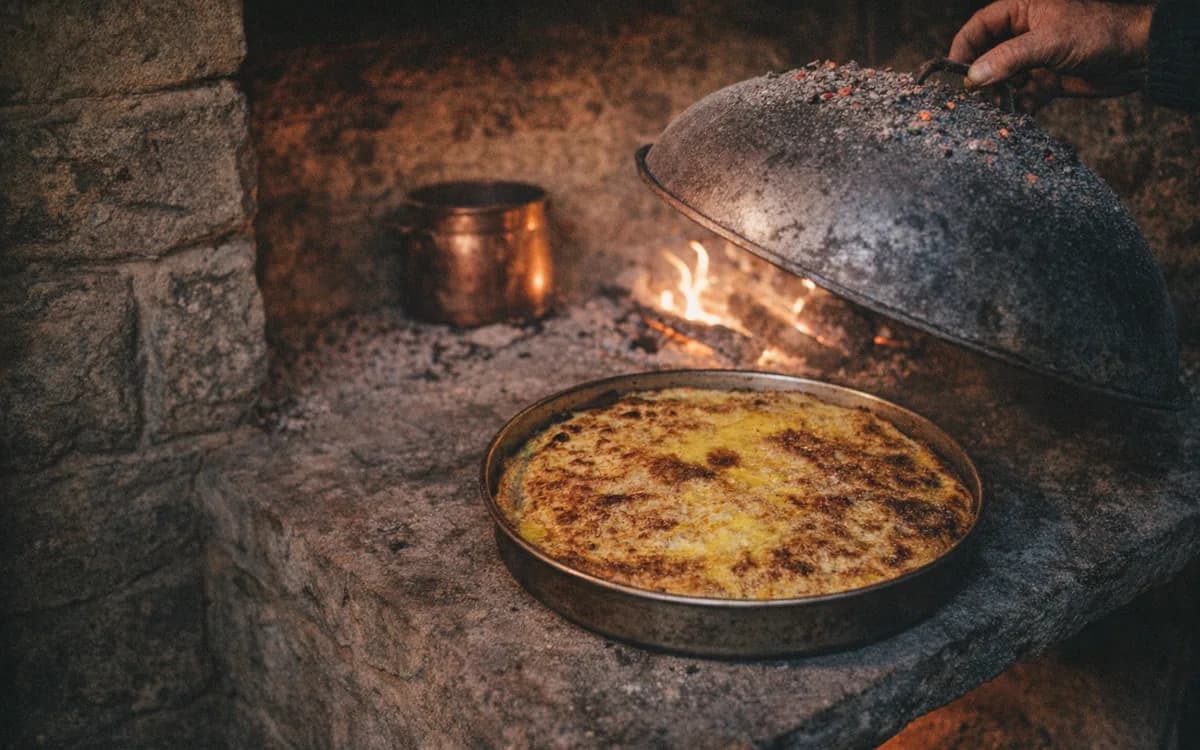
At Bujtina Çupa, for example, a guest who wants comfort without offal might prefer Supë pule, Byrek Bujtine from our wood-fired oven, or a warm clay-pot dish like Tavë dheu. Knowing what you enjoy is part of eating well.
Where paçe fits at a Klos table
Paçe fits best in a place where food is still connected to weather, work, and timing. In Klos and the wider Mat region, cold mornings make strong food feel natural. A traveler who comes only looking for the most familiar Albanian dishes may miss that side of the table.
We do not present paçe as an everyday promise on our menu. We do not list paçe as an everyday menu dish. If you are curious about seasonal soups or slow winter dishes when you visit, ask what the kitchen is cooking that day; our regular menu includes gentler soups and traditional plates for the same cold-weather appetite.
What we can promise is a kitchen shaped by the same values: slow cooking, local produce, bread and pies from the wood-fired oven, and Albanian dishes served with their real names. Our restaurant is open to hotel guests and outside visitors, with breakfast from 07:30 to 09:30, lunch from 12:00 to 16:00, and dinner from 18:00 to 22:00.
You can see the dishes we serve every day in our kitchen.
Our family-owned guesthouse is built in the style of an Albanian stone castle here in the Klos area, where the Mat Valley keeps its cold mornings and practical appetite. Since the Murriz Tunnel opened to traffic on March 14, 2025, Rruga e Arbërit has made the Klos area much easier to reach from Tirana; allow roughly around an hour, depending on your start point, traffic, weather, and road conditions.
Not every traditional dish is an everyday dish
Some of the most traditional foods appear only when timing allows. That is true for paçe, and it is true for many slow dishes in Albania. The better question is not, can I order this exact thing right now? The better question is, what is good today?
Ask that, and the table becomes more generous. You may find another soup, a clay pot, a pie, or a platter meant to be shared. The important part is to arrive with curiosity, not a checklist.
Frequently asked questions
What is paçe in Albania?
Paçe is a traditional Albanian soup made from slow-cooked head, feet, bones, or other offal. It is usually served hot, often with garlic and vinegar to balance the rich broth.
What does paçe koke mean?
Paçe koke means head soup. It is a version of paçe made with animal head meat, often from lamb, sheep, goat, or calf depending on the cook and supplier.
Is paçe soup eaten for breakfast?
Yes. In Albania, paçe is often eaten in the morning or at early lunch, especially in cold weather when a rich, hot bowl makes practical sense. Many searches for paçe Albania lead to breakfast stories for that reason.
Does paçe taste very strong?
Paçe tastes rich, savory, and gelatinous rather than spicy. Garlic, vinegar, pepper, or chili can sharpen the broth and make the flavor feel more balanced.
Should first-time visitors try paçe in Albania?
First-time visitors who enjoy offal, bone broth, and traditional food should try paçe. Visitors who dislike gelatinous textures will probably be happier choosing another Albanian soup or stew.
Ready for a cold Klos morning and a table that tells the truth? Book a stay and ask us what is simmering when you arrive.